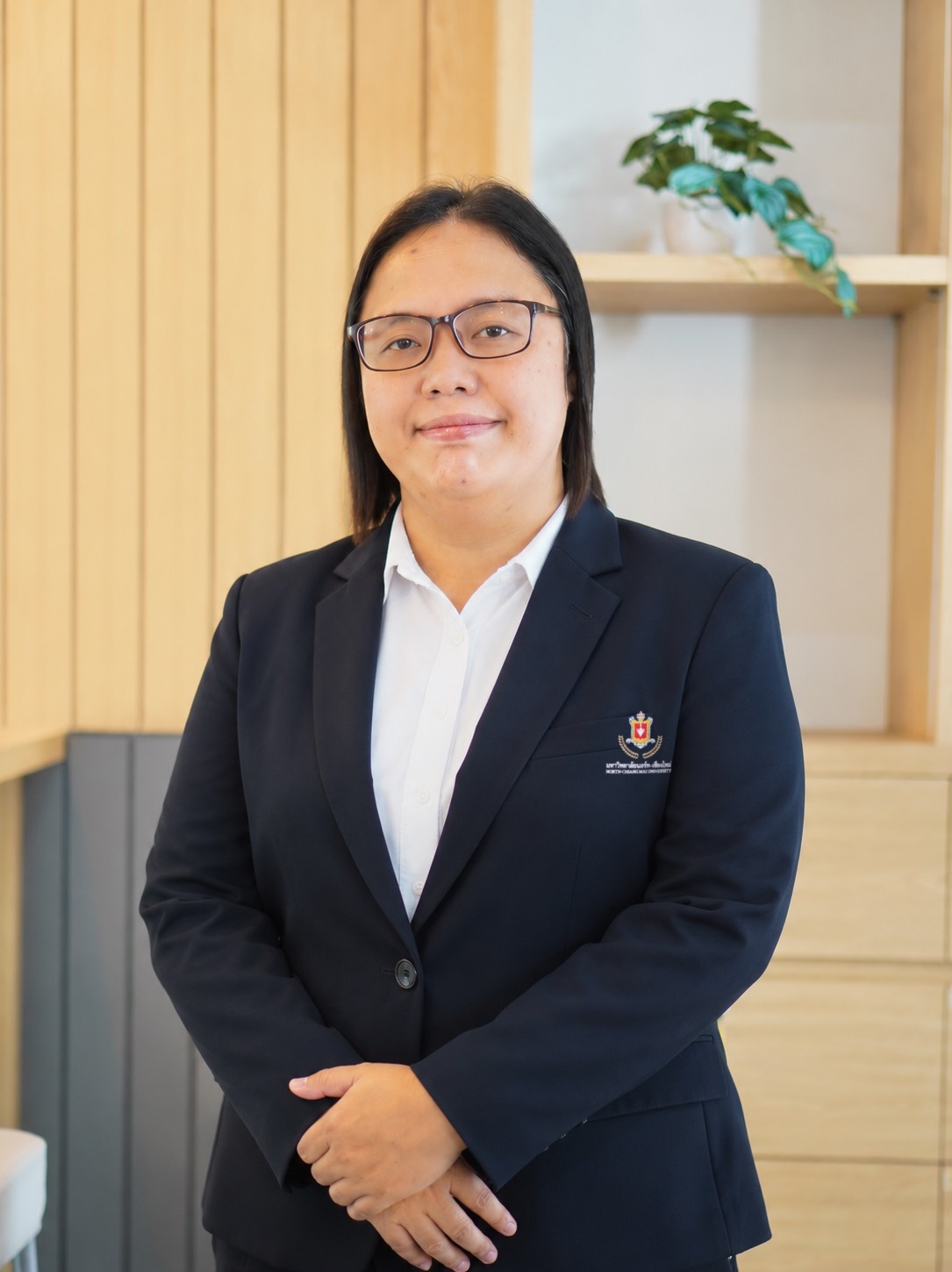
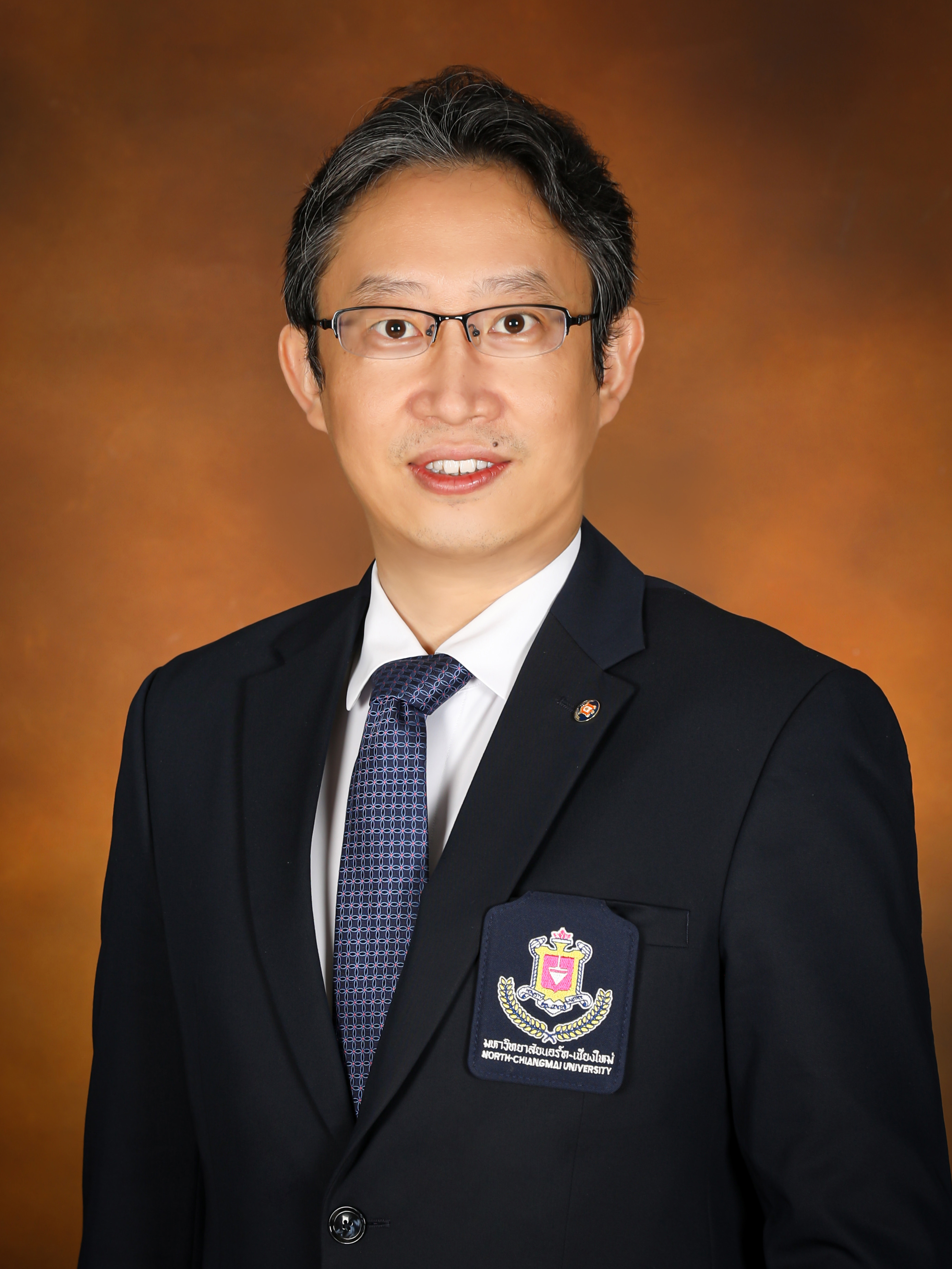
Assoc. Prof. Dr. Hui Guo
Dean, Innovation College, North-Chiang Mai University
Dear students, welcome to the Innovation College of North-Chiang Mai University.
From the moment you set out on your journey to Thailand, arrived in Chiang Mai, and completed your registration, you entered not merely a university, nor merely a degree program, but a living regional arena - a place that connects China, Thailand, and Southeast Asia; that connects education, business, technology, industry, and social governance; and that connects the most important questions of the coming decade.
The era we live in is undergoing profound change. Artificial intelligence is redefining organizational management, business decision-making, the innovation process, and the ways we educate. Southeast Asia is shifting from a traditional market of tourism, manufacturing, and consumption toward a new landscape of digital infrastructure, data centers, green manufacturing, electric vehicles, semiconductors, and the regional digital economy. Thailand, too, is searching for new pathways of growth - moving from a past built on cost advantage toward industrial upgrading, technology application, and institutional innovation.
This means that coming to the Innovation College cannot be merely about completing courses and obtaining a diploma. If a diploma were all, today's world has no shortage of diplomas. What is truly scarce are people who can understand complex realities, identify genuine problems, design solutions, take responsibility, and keep learning. It is precisely such people that the Innovation College seeks to cultivate.
For students on the business track: understand that the competition among future enterprises is not merely one of marketing, finance, and management technique, but of whether an organization can re-engineer its processes, harness data, master AI, and forge strategic capability.
For students on the innovation-management track: see that innovation is no longer merely an idea or a project, but a systemic capability formed by the joint action of firms, industries, technology, policy, and markets. True innovation management is not chasing hot topics, but seeing structure clearly, allocating resources, and driving change.
For students on the education track: understand all the more that education is entering a critical period. AI can assist teaching, but it cannot replace the responsibility of education; technology can raise efficiency, but it cannot automatically generate genuine capability. The most important question for the future of education is not whether students can use tools, but whether learning truly takes place, whether capability is truly formed, and whether assessment is authentic and trustworthy.
I therefore hope that from your very first day, you will build three kinds of awareness.
Problem awarenessField awarenessResponsibility awareness
First, problem awareness. Do not be satisfied with surface answers. When you see a phenomenon, keep asking: What institutions lie behind it? What is the structure of interests? What is the organizational mechanism? Do the data support it? Are there counter-examples?
Second, field awareness. You are in Chiang Mai, in Thailand, in Southeast Asia. This is not a temporary stopover, but a real classroom in which to observe the transformation of the region's society, business, and education. Research of genuine value must enter the field, respect the facts, and submit to verification.
Third, responsibility awareness. Research is not about writing beautiful words; management is not about shouting slogans; innovation is not about packaging concepts. True academic training teaches you to be responsible for your own judgments, for your data, for your conclusions, and for the organizations and societies you will one day serve.
Students, the Innovation College welcomes you not because of what you have already accomplished, but because you are about to begin a serious and important course of training. I hope you will remain curious yet disciplined; courageous yet humble; ready to raise questions and willing to accept rigorous scrutiny.
Chiang Mai is your new point of departure; Southeast Asia is your new field; and the coming transformations of business, innovation, and education are the questions you must confront.
May you, at the Innovation College of North-Chiang Mai University, not merely complete your studies, but truly become people who can understand this era, enter the field, and solve problems.
Welcome to Chiang Mai. Welcome to the Innovation College.
 Innovation CollegeNorth-Chiang Mai University